
Will it fit my design?
Review OD, ID, stack, datum, cable exit, and thermal clearance before requesting a sample.
Source frameless servo kits and torque motor variants with CAD review, torque-speed validation, OEM customization, process QC, and export-ready delivery support.
Email RFQ
Use email for formal RFQ details, drawings, and specification files.
+86 18857971991
Use WhatsApp for quick pre-RFQ clarification and response.
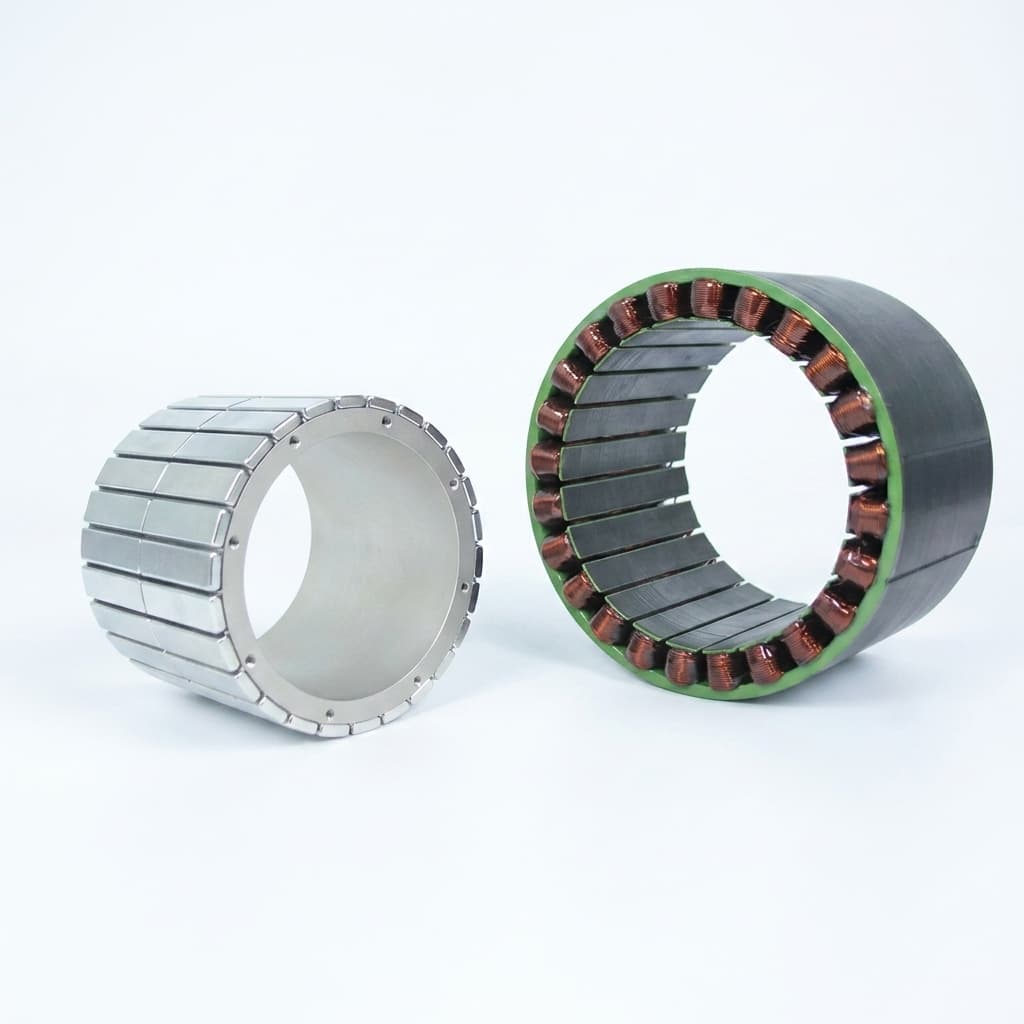
OD / ID / stack, mounting datum, hollow bore, and cable path reviewed before sample release.
Continuous and peak working points checked against voltage, duty cycle, and thermal assumptions.
Back-EMF, resistance, insulation, appearance, packaging, and lot traceability can be aligned by program.
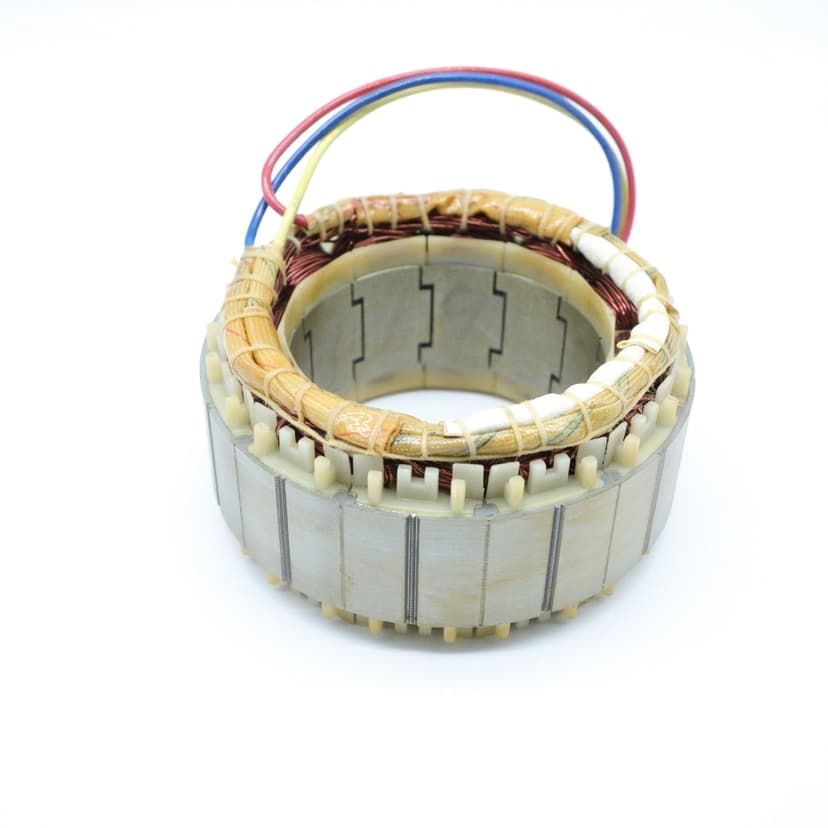
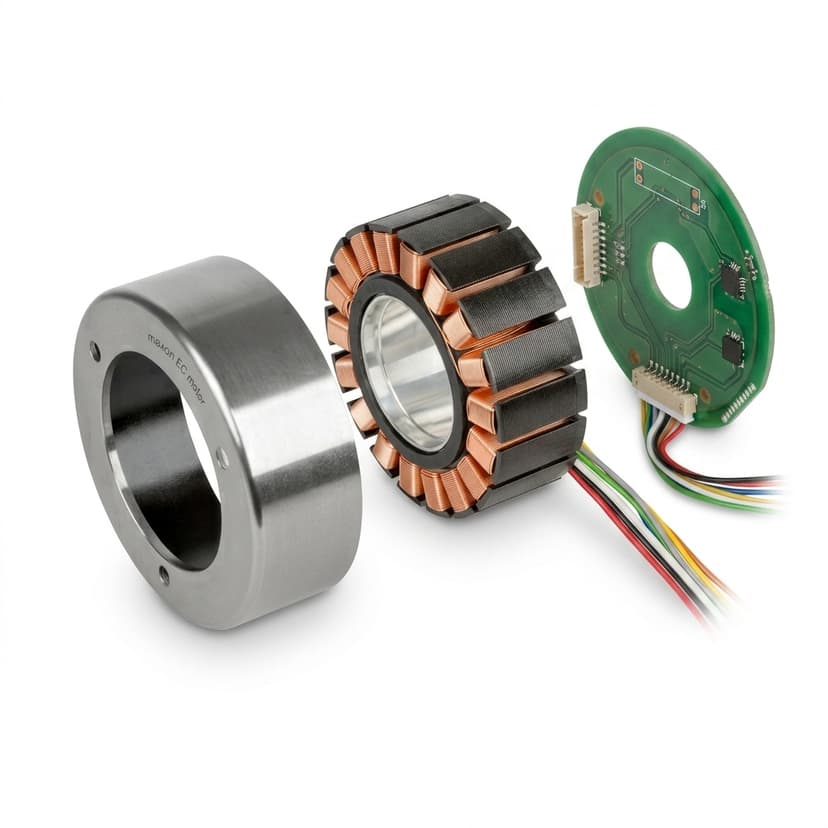
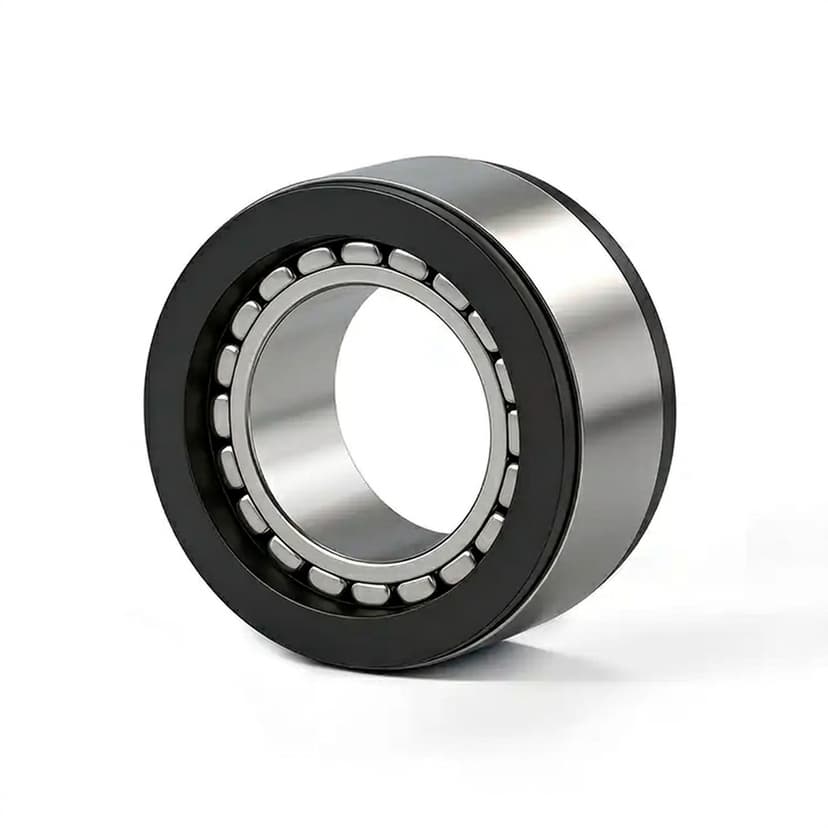
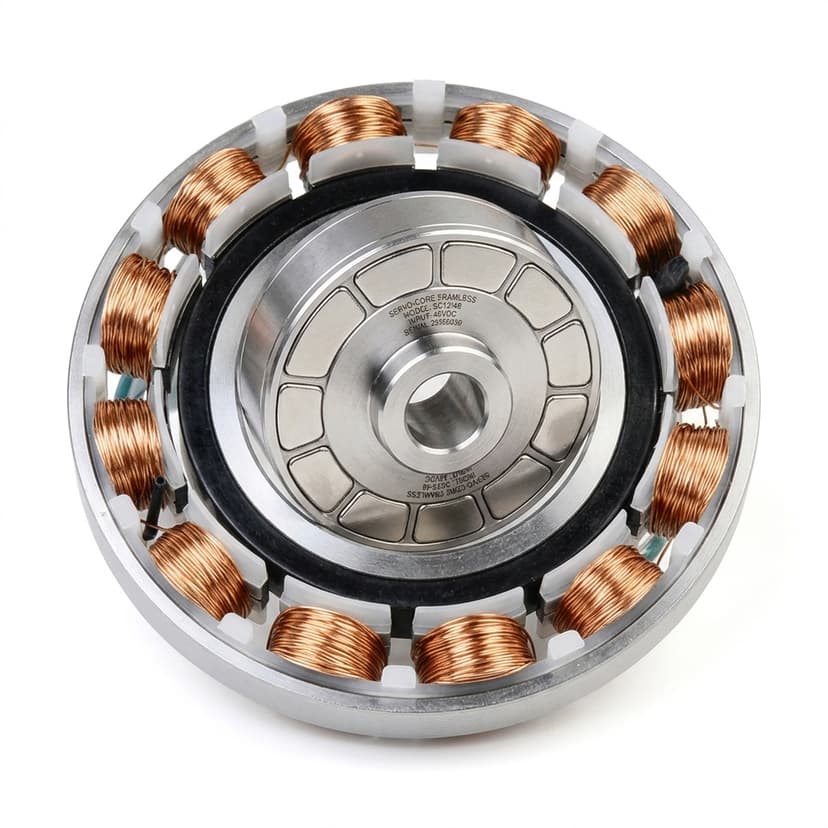
The homepage should help you decide whether a supplier is worth a technical conversation. These four questions usually determine whether a supplier enters the shortlist.
Review OD, ID, stack, datum, cable exit, and thermal clearance before requesting a sample.
Compare continuous and peak torque with equivalent voltage, duty cycle, ambient, and thermal path.
Tie winding, connector, cable, packaging, and documentation changes to revision and sample approval.
Request Back-EMF, resistance, insulation, appearance, packaging, and lot traceability according to program risk.
Step 1
Start from motor architecture fit: frame size, dynamic torque expectations, and controller pairing assumptions.
Step 2
Confirm your architecture against application duty, thermal envelope, and integration constraints before sample planning.
Step 3
Review revision control, sample acceptance evidence, and delivery governance before commercial finalization.
A useful supplier does not only answer price. It also helps close technical and document evidence so procurement, engineering, and quality approve from the same baseline.
Confirms fit, datums, cable path, and critical dimensions before sample release.
CAD Center →Validates the operating point against realistic voltage, duty, and thermal limits.
Datasheets →Helps control winding, phase, insulation, and lot consistency.
Manufacturing & QC →Reduces import, receiving, and internal-audit blockers.
Certifications →| Evidence | Buyer Use | Related Page |
|---|---|---|
| CAD / STEP / drawing revision | Confirms fit, datums, cable path, and critical dimensions before sample release. | CAD Center |
| Torque-speed curve and datasheet | Validates the operating point against realistic voltage, duty, and thermal limits. | Datasheets |
| Back-EMF and QC records | Helps control winding, phase, insulation, and lot consistency. | Manufacturing & QC |
| RoHS / CE / shipment documents | Reduces import, receiving, and internal-audit blockers. | Certifications |
This quick matrix helps cross-functional teams compare major options before opening a detailed RFQ thread.
Best for engineering teams selecting a scalable frameless-servo baseline.
For teams prioritizing low-speed smoothness, torque density, and positioning stability.
For system architects requiring cable-through or optical-through direct-drive structures.
| Family | Best Fit | Key Metric | Why It Matters |
|---|---|---|---|
| Frameless Servo Motor Kits | Best for engineering teams selecting a scalable frameless-servo baseline. | Stator OD / Rotor ID / Stack: Project-defined multi-size combinations | Directly determines fit, cable pass-through, and torque headroom. |
| Torque Motor Series | For teams prioritizing low-speed smoothness, torque density, and positioning stability. | Torque Density: Application-dependent by OD and stack | Higher torque density enables compact mechanics and higher payload ratio. |
| Hollow Shaft Frameless Servo | For system architects requiring cable-through or optical-through direct-drive structures. | Center Aperture Capacity: Project-specific ID requirement | Directly affects routing feasibility and modular architecture. |
Practical buyer-side checklists, decision frameworks, and technical insights from our OEM engineering team.
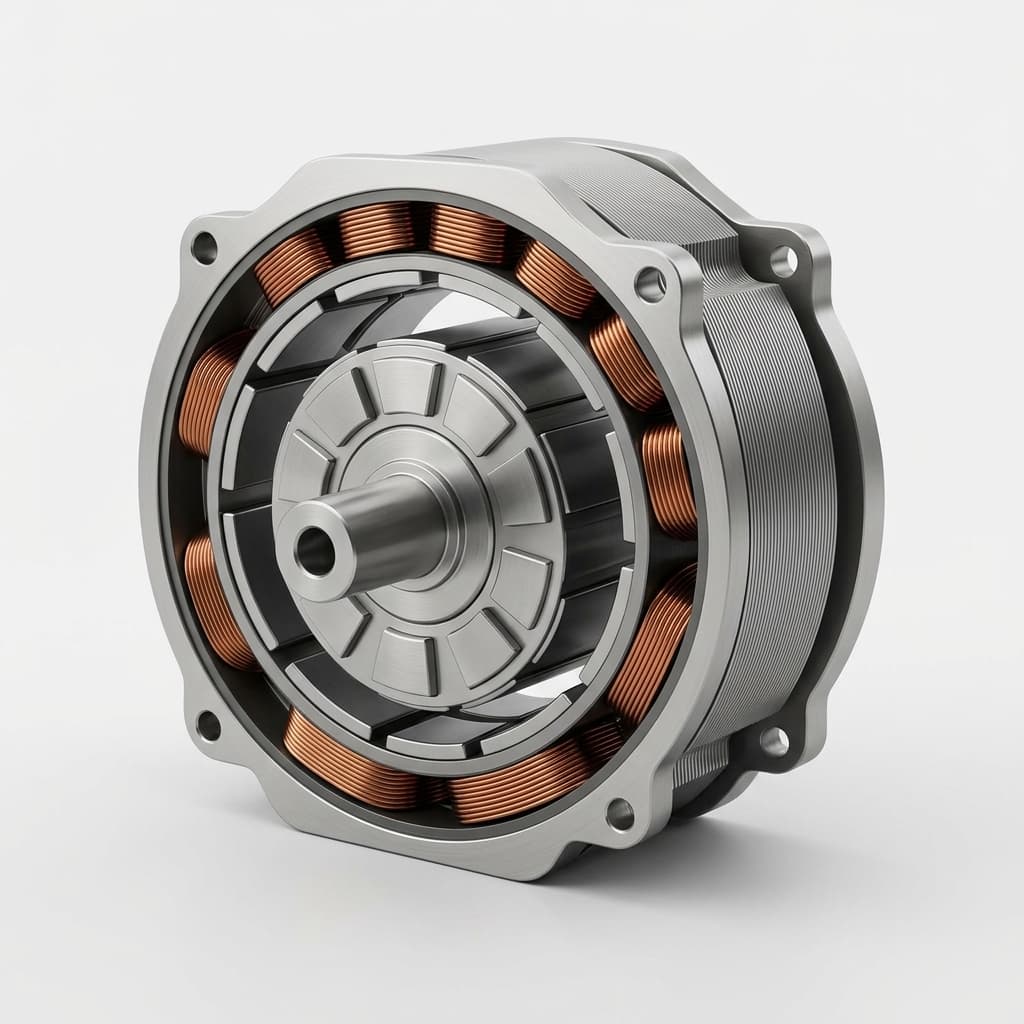
Compare resolver, optical encoder, and magnetic encoder choices for frameless servo motors. Use the engineering checklist before RFQ or drive selection.

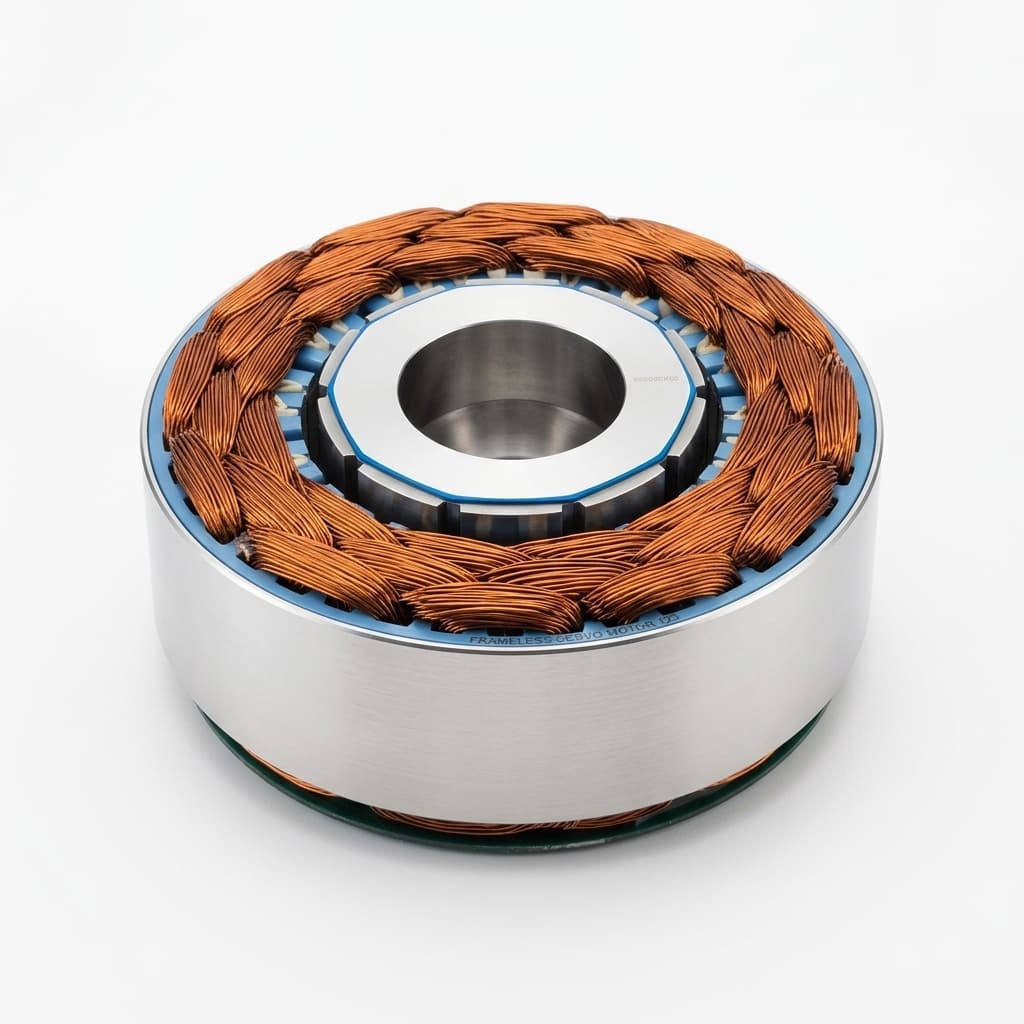
Learn when to request frameless servo motor winding customization, how KV rating changes phase resistance, and what to send suppliers for RFQ review.
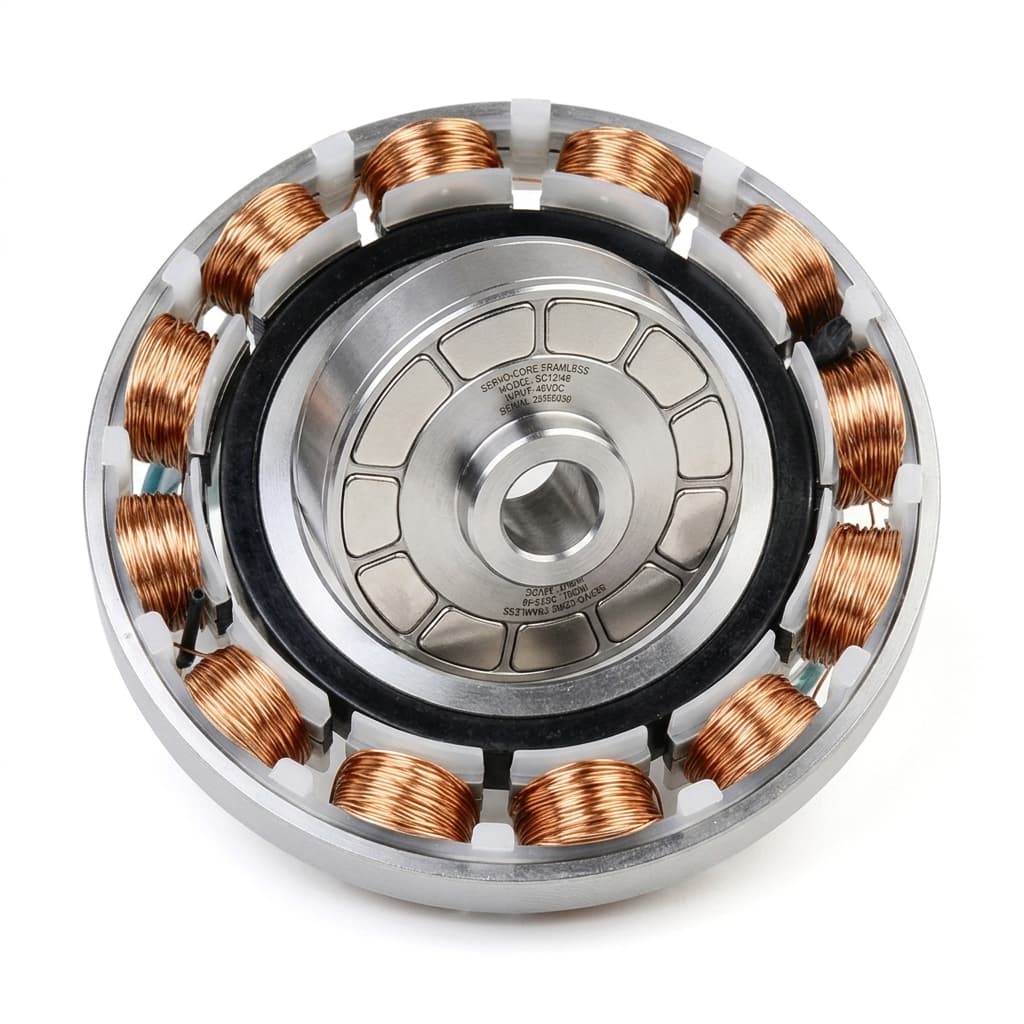
Compare frameless servo motor rotor mounting methods: gluing, press fit, and shrink fit, with torque risks, tolerances, QC checks, and RFQ guidance for OEMs.
FAQ
Share your specs and procurement timeline to receive engineering feedback and quotation support.
Email RFQ
Use email for formal RFQ details, drawings, and specification files.
+86 18857971991
Use WhatsApp for quick pre-RFQ clarification and response.
If your team is evaluating frameless-servo suppliers, start with a workflow that combines technical fit, validation criteria, and delivery planning in one track. This avoids the common failure mode where model selection looks correct on paper but fails during commissioning or pilot ramp.
Architecture fit
Products →Compare motor families, driver pairing logic, and RFQ input requirements.
Application risk
Solutions / Applications →Review scenario-based risk controls and measurable validation checkpoints.
Supplier execution
OEM Capabilities →Understand DFM, prototype control, quality records, and export delivery governance.
Execution start
Contact / RFQ →Use the inquiry checklist to reduce quote loops and get a faster actionable response.
| Decision Stage | Best Page | What You Gain |
|---|---|---|
| Architecture fit | Products | Compare motor families, driver pairing logic, and RFQ input requirements. |
| Application risk | Solutions / Applications | Review scenario-based risk controls and measurable validation checkpoints. |
| Supplier execution | OEM Capabilities | Understand DFM, prototype control, quality records, and export delivery governance. |
| Execution start | Contact / RFQ | Use the inquiry checklist to reduce quote loops and get a faster actionable response. |
For deeper decision support, review our engineering blog where each post includes practical buyer-side checklists.